Blog
Pickleball Serving Rules & Kitchen Footwork: A Complete 2026 Guide

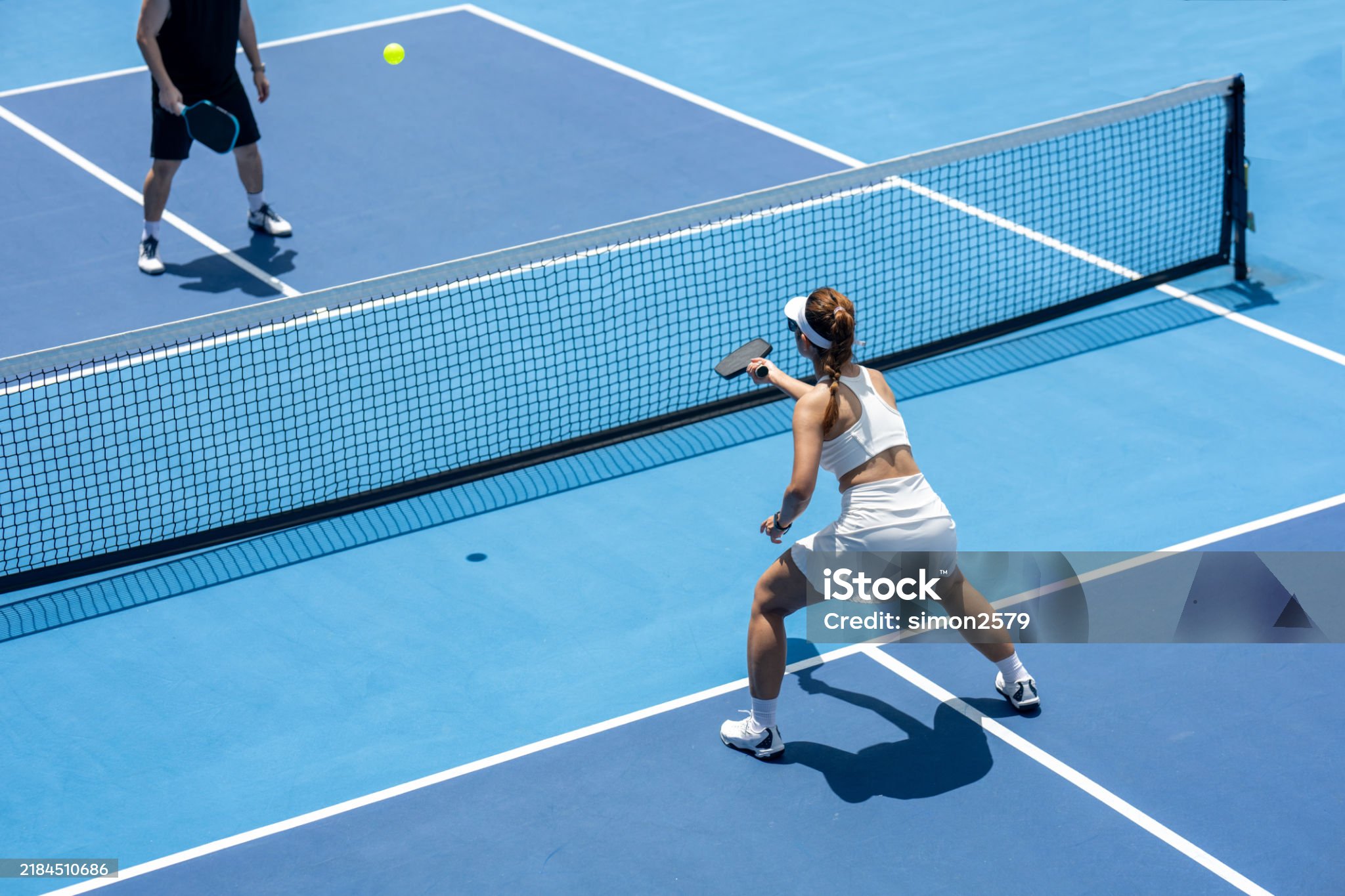
Whether you are transitioning from tennis or searching for “how to play pickleball” mastering basic legal mechanics is the fastest way to gain confidence on the court. Recent search trends show a significant rise in player interest regarding “pickleball serving rules” and “pickleball kitchen rules” .
Because pickleball places heavy tactical emphasis on the non-volley zone, minor foot faults or illegal serve strokes can cost critical points in competitive play.
In this comprehensive guide, we unpack legal serving motions, clarify the drop serve vs. volley serve, and share footwork secrets to protect your kitchen positioning.
⚡ Fast Takeaways: Legal Serving Rules at a Glance
- The Volley Serve: Must be struck with an underhand motion. The paddle head must remain below the highest point of your wrist at impact, and contact must be made below waist level.
- The Drop Serve: The ball is dropped from any height (without being pushed or tossed upward) and struck after bouncing on the court floor.
- The Kitchen Line (Non-Volley Zone): You cannot touch the 7-foot kitchen line or the area inside it while volleying a ball out of the air—or allow your momentum to carry you into the zone after the shot.
1. Volley Serve vs. Drop Serve: Which Should You Use?
One of the most frequent questions from new players is deciding between the traditional Volley Serve and the Drop Serve.
A. The Volley Serve (Traditional)
When hitting the ball out of the air on a serve, three strict geometric criteria apply:
- Underhand Motion: The arm must move in an upward arc.
- Wrist Position: The highest point of the paddle head cannot exceed the highest point of the wrist joint.
- Waist Height: Contact must occur below the navel.
B. The Drop Serve (Beginner-Friendly Option)
The drop serve offers a simpler alternative, especially for players converting from tennis mechanics:
- Simply hold the ball at any comfortable height and let it fall naturally to the ground.
- Strike the ball after it bounces.
- Crucial Rule: You cannot throw the ball downward to increase bounce height or toss it upward into the air.
2. Navigating “The Kitchen” Rules: Stopping Unforced Errors
The 7-foot Non-Volley Zone (The Kitchen) is what gives pickleball its unique tactical dynamic compared to tennis or badminton.
          [ NET ]
+-------------------------+  <-- 34 inches net height
|  Non-Volley Zone (7ft)  |  <-- "THE KITCHEN"
+=========================+  <-- Kitchen Line (Fault Zone)
|                         |
|   Left / Right Courts   |
|                         |
Common Kitchen Foot Fault Scenarios:
- Line Contact During Volley: If your foot touches any part of the kitchen line while hitting a volley, it is an immediate fault.
- Momentum Fault: Even if you hit a clean volley while standing outside the kitchen, falling or stepping into the kitchen after the hit due to momentum results in a fault.
- Dropped Items: If a hat, towel, or sunglasses fall off your person into the kitchen zone during a volley, it counts as a foot fault.
Pro Tip: You ARE allowed to stand inside the kitchen to hit a ball that has already bounced on your side of the net.
3. Pickleball vs. Tennis: Key Adjustments for Tennis Converts
Players making the switch from tennis (pickleball vs tennis) often bring strong athletic habits, but must recalibrate three primary tendencies:
| Tennis Tendency | Pickleball Adjustment | Paddle Gear Requirement |
| Overhead Serve | Underhand Serve mandatory | Balanced weight distribution for consistent low-to-high arcs |
| Heavy Wrist Snap | Firm Wrist & Core Rotation | Friction-textured face to generate spin without wrist flicks |
| Hard Baseline Drives | Strategic 3rd Shot Drops | 16mm Polypropylene Core for vibration absorption & touch |
4. How Gear Selection Improves Serving & Kitchen Precision
Executing deep, high-spin serves that keep opponents pinned near the baseline requires consistency. Similarly, resetting fast drives at the kitchen line demands paddle stability.
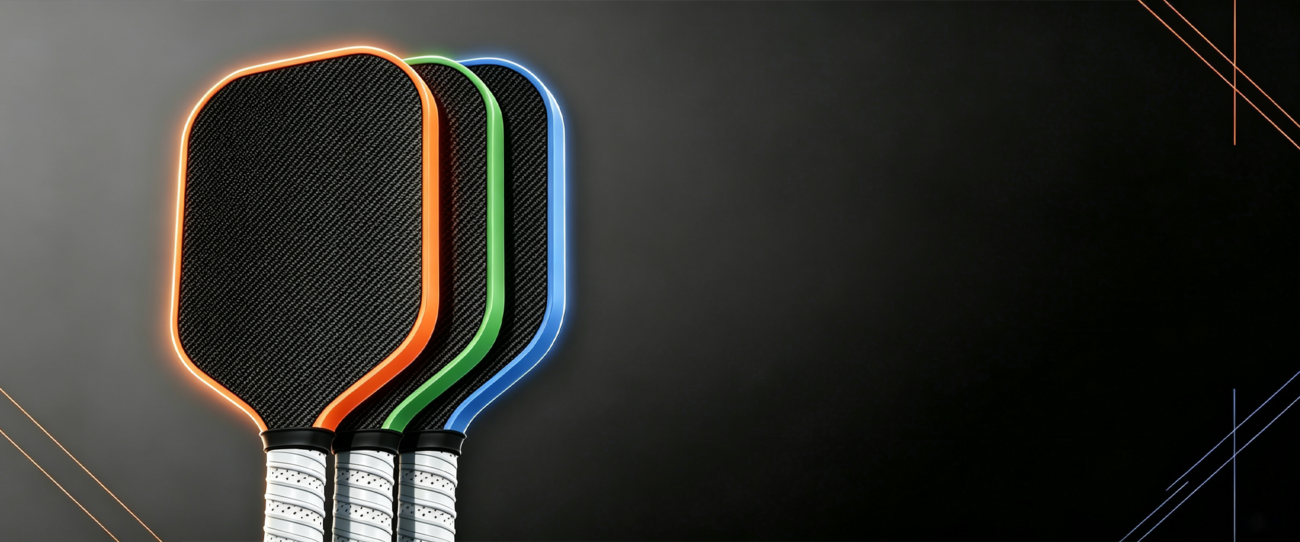
High-performance gear built with T700 Raw Carbon Fiber—such as the paddles designed by Jeimor—offers an ideal balance of micro-grit surface friction and sweet spot expansion. The raw carbon weave grabs the ball long enough to apply topspin on serves while the shock-absorbing core dampens hard hits during kitchen fire-drills.
For more tactical insights on net play, check out our guide on Mastering The Dink and 3rd Shot Drops.
5. Summary
Understanding legal serve mechanics and respecting kitchen boundaries are essential steps in developing your pickleball game. By combining proper footwork fundamentals with high-touch equipment, you can eliminate unforced faults and play with complete confidence.
Explore precision-engineered paddles and gear built for players at Jeimor.com.