Blog
Raw Carbon vs. Composite Pickleball Paddles: 2026 Material Guide

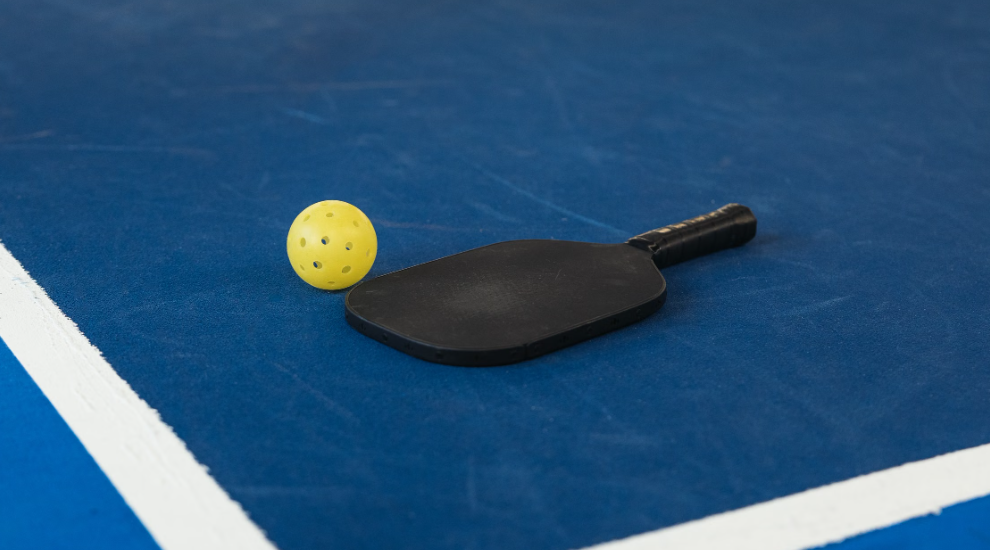
As pickleball technology evolves rapidly, players shopping for “good pickleball paddles” or comparing premium models like Engage, Selkirk, or Joola face a common dilemma: Should you choose Raw Carbon Fiber or Composite Fiberglass?
Understanding how surface materials interact with the ball’s plastic shell directly affects your shot spin, touch consistency, and long-term paddle durability.
In this guide, we break down the engineering differences between T700 Raw Carbon Fiber and Fiberglass Composite, helping you make an informed investment for your game in 2026.
⚡ Fast Comparison: Raw Carbon Fiber vs. Composite
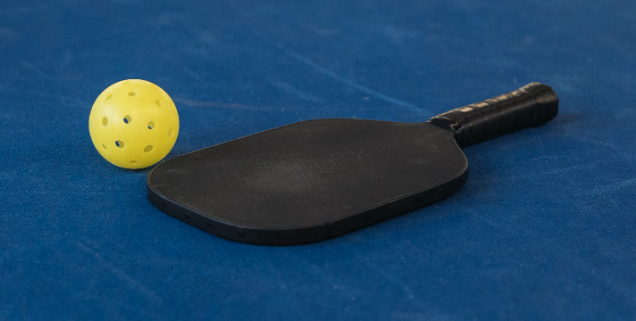
- T700 Raw Carbon Fiber: Features a woven, micro-textured surface that provides maximum ball dwell time, exceptional friction for topspin/slice, and long-term grit durability without peeling.
- Fiberglass Composite: Provides higher trampoline effect (power/pop) and vibrant graphic designs, but loses surface friction faster and offers less control during soft kitchen exchanges.
- The Verdict: Control and spin players thrive with Raw Carbon; power-first beginners often start with Composite before upgrading.
1. Surface Friction & Spin Performance (RPM)
Spin generation in modern pickleball isn’t achieved by painted-on grit, which rapidly smooths out over weeks of play. Instead, it relies on structural surface texture.
- Raw Carbon Weave (T700 Grade): The raw carbon fibers create microscopic ridges that grip the ball upon contact. This mechanical friction allows players to generate heavy topspin on drives and dipping underspin on 3rd shot drops.
- Composite Sprayed Grit: Fiberglass surfaces rely on applied topcoats for friction. Over time, ball impact wears away this layer, leading to inconsistent spin rates after a few months of intense play.
2. Core Synergy: Honeycomb Technology Matters
The paddle face works in tandem with the internal core to absorb or return kinetic energy.
+-------------------------------------------------------+
|  T700 Raw Carbon Surface (Spin & Dwell Time)          |
+=======================================================+
|  Polypropylene Honeycomb Core (Vibration Dampening)  |
+=======================================================+
|  Reinforced Perimeter Edge Wall (Sweet Spot Expansion)|
+-------------------------------------------------------+
While composite paddles tend to bounce the ball off the face quickly (high pop), carbon paddles paired with polypropylene honeycomb cores damp vibrations. This increased dwell time allows you to guide the ball with precision during delicate kitchen rallies.
3. Material Specifications Matrix
| Feature | T700 Raw Carbon Fiber | Fiberglass Composite |
| Spin Retention | Extremely High (Doesn’t wear off) | Moderate to Low (Grit wears over time) |
| Control & Touch | Exceptional (High dwell time) | Power-oriented (Quicker ball release) |
| Durability | Superior structural strength | Good impact resistance, prone to surface smoothness |
| Best For | Tactical players, dinking, 3rd shot drops | Aggressive hitters, budget-conscious beginners |
| Recommended Gear | Jeimor T700 Raw Carbon Series | Entry-level composite starter sets |
4. Why Player-First Brands Focus on T700 Raw Carbon
Many top tour paddles command high price tags due to sponsorship markups. However, brands focusing on pure manufacturing performance deliver identical carbon tech directly to players.
Paddles built by Jeimor feature unibody thermoformed construction with Japanese T700 Raw Carbon Fiber faces. This ensures that whether you are hitting deep baseline serves or resetting fast counter-attacks at the kitchen line, you enjoy tournament-grade spin and feel without overpaying.
Looking to refine your kitchen mechanics? Read our guide on Pickleball Serving & Kitchen Footwork Rules.
Choosing between raw carbon and composite comes down to your personal playstyle goals. If your game relies on spin, reset control, and durable surface grit, upgrading to a T700 Raw Carbon Fiber paddle is the most effective performance enhancement you can make.
Discover precision-crafted carbon gear built for durability and spin at Jeimor.com.